

The message that reaches someone an hour before they walk on stage is rarely long. It’s usually a line they read twice and carry in with them.
These good luck wishes for competition cover sports, spelling bees, talent shows, pitch days and more. They’re written for different moods, not just different events.
You’ll also find what to say after a loss, how to wish a rival well, and when to hit send. Pick a line, change one detail so it’s about them, and send it.
Key Takeaways
- A wish that names one real detail (the early practices, the new routine) usually lands better than “hope you win.”
- For a nervous competitor, lines that take pressure off the result work better than lines about winning.
- Say “break a leg” for stage performances. Plain “good luck” or “all the best” suits almost everything else.
- Messages for after the result (a win, a near miss, a loss) get their own sections, because that’s when many people struggle to find the words.
Best Good Luck Wishes for Competition (Copy-and-Send Picks)
The best wish is short, specific and about the person’s effort rather than the outcome. These sixteen work for most contests and most relationships, and each takes a different angle so you can match it to the person.
- Trust the training: Every early morning and late night went into today. Walk in like you’ve already done the hard part, because you have.
- Pressure off: Win or not, we’re getting dinner tonight. So just go and compete.
- Specific detail: I’ve heard you run through that routine so many times I could perform it myself. Go show the judges.
- Enjoy it: Not many people get to compete at this level, and you earned your spot. Soak it in.
- Nerve reframe: Feeling nervous just means you care. Take a slow breath and let that energy work for you.
- Short and warm: Good luck today. You’re ready.
- For a team: We’re all behind you. Play for each other and the rest will sort itself out.
- Own lane: Forget the scoreboard for a minute. Do your thing, the way you’ve practiced it.
- Morning-of text: Thinking of you right now. Go be brilliant.
- Confident: You’re one of the best-prepared people in that room. Carry yourself like it.
- Light humor: May your nerves stay quiet, your timing be perfect, and your competitors feel slightly intimidated.
- Sportsmanship: Compete hard, be kind to everyone you meet, and let the result take care of itself.
- Proud either way: Whatever the final result, I’m proud of how you got here.
- Long view: Today is one chapter. Make it a good one, then keep going.
- Formal: Wishing you every success today. Your preparation and professionalism will speak for themselves.
- For a child: Have fun, be brave, and remember I’ll be cheering the loudest.
To make any of these feel personal, swap in a name or one specific detail, such as the piece they’re playing, the event they’re running or the question type they’ve drilled. If you’re unsure which tone fits, the next section gives a simple way to choose.
How to Write a Good Luck Message That Fits the Moment
Most good luck messages fail because they could be sent to anyone, about anything. “Good luck with your competition, you’ll do great” is fine, but it won’t be remembered.
A simple structure fixes this. I call it the Three-Beat Method: three short ideas, in this order, in two or three sentences.
Beat 1: Acknowledge the effort. Mention something the person actually did, such as early practices, a rewritten speech or a second attempt after last year.
Beat 2: Point to one thing to trust or enjoy. Pick a single concrete strength or moment: the opening bars, the final lap, the question type they’ve mastered.
Beat 3: Release the pressure. Take the weight off the result with a line about effort, enjoyment or what happens afterward.
Here is the difference it makes:
| Generic version | Three-Beat version |
| Good luck at the debate, hope you win! | You rewrote that closing argument four times. Trust the last version, speak slowly, and enjoy the cross-examination. Pizza after, whatever the ruling. |
| Good luck in your race today. | All those 5 a.m. runs are in your legs now. Start easy and save something for the hill. I’ll be at the finish line either way. |
| Best of luck at the science fair. | The way you explained your experiment to me last night was better than any poster. Just talk to the judges like you talked to me. |
When to skip or change a beat
Beat 3 isn’t always right. A confident favorite may hear “don’t worry about the result” as doubt. For them, replace it with a high-energy line, such as “Go take what’s yours.” For a nervous competitor, lean hard on Beats 1 and 3 and keep Beat 2 gentle.
Keep it short enough to read in one glance. If the person is about to compete, a three-line message gets read and a ten-line one gets saved for later.
Short Good Luck Messages for Competition (Texts and DMs)

These are built for a quick text, a DM or a note tucked into a kit bag. Each is under about twenty words, and each takes a different angle so they aren’t interchangeable.
- Go be you, loudly.
- Deep breath. First move is the hardest, and you’ve done it a hundred times.
- Phone’s on. Text me the second you’re out.
- You didn’t get this far by accident.
- Leave the doubts in the car.
- Chin up, eyes forward. Nothing else needed.
- Whatever happens, I’m your biggest fan by dinner.
- Slow is smooth, smooth is fast. Go.
- Fingers crossed, but you won’t need them.
- Don’t rush the start. You have time.
- Your future self will be glad you showed up.
- Smile at the judges. They’re people too.
- All the best today, from all of us at home.
- Show them what the practice room already knows.
- Play the game in front of you, not the one in your head.
For texts to a close friend, one of these plus a single emoji is plenty. For a formal setting, “All the best today” (number 13 works well) sounds natural in both US and UK English.
Motivational Good Luck Messages for Competition
Motivation works differently depending on the person’s state of mind. A nervous competitor needs calm, an underdog needs permission to believe, and a favorite needs relief from expectation. These messages are grouped by mindset, not by event, so you can pick the one that fits who you’re writing to.
For the Nervous Competitor
These lines lower the stakes without dismissing the feeling. Avoid “just relax” on its own, since it rarely helps.
- Nerves mean this matters to you. Let them sharpen you, not stop you.
- You don’t have to feel confident. You just have to start.
- Breathe out longer than you breathe in. Then take the first step.
- Everyone in that room is nervous too. You’re simply the one I’m cheering for.
- You’ve already survived the hardest part, which was deciding to show up.
For the Underdog
Underdogs often feel overlooked. The best wishes treat their position as an advantage, not a handicap.
- Nobody expects much from you today, which means you get to surprise everyone.
- You don’t need to be the favorite. You need to be fully yourself for a few minutes.
- Some of the best results come from people who weren’t on the list. Go make the list longer.
- Play like you’ve got nothing to lose, because you really don’t.
- Let them underestimate you. It only makes the moment sweeter.
For the Favorite Carrying the Pressure
Expectations can weigh more than opponents. Skip “you’ll definitely win,” since it adds pressure. Aim to bring the focus back to the process.
- Forget what everyone expects. Compete the way you did when you first fell in love with this.
- You’ve earned your reputation. Today, you only need to do the next right thing.
- The result is not your job right now. The next point, the next page, the next move is.
- You’re ready, and that’s all anyone can ask. The rest is just execution.
- Carry the confidence, not the weight.
For Someone Returning After a Setback
Someone coming back after a loss, injury or disappointment needs recognition of the courage involved, not a pep talk about winning.
- Coming back takes more nerve than getting there the first time. I’m proud of you.
- Last time taught you things you couldn’t have learned any other way. Use them.
- You’re not the same competitor you were then, and that’s your edge.
- However today goes, you chose to try again. That already says everything.
- The comeback isn’t about the scoreboard. It’s about showing up, and you did.
If you’re sending any of these to someone you know well, add one detail only you would know, such as the injury they overcame or the season that went wrong. That detail is what turns a good line into one they keep.
Good Luck Wishes for Sports Competitions
Sports messages work best when they match the rhythm of the sport. A team sport is about trusting each other, an endurance race is about patience, and a gaming tournament is about staying calm under pressure.
Team Sports
- Play for the person next to you. That’s where great teams are built.
- Trust your teammates the way they trust you. Nobody has to do it all alone.
- Win the first ten minutes, then keep winning the next ten.
- Communicate loudly, celebrate each other’s plays, and the scoreboard will follow.
- You trained as a team. Today you just get to show it.
- Be the teammate you’d want standing beside you in the final minute.
- Play hard, play fair, and leave the field with nothing unspent.
Races and Endurance Events
- Start patient. The race you finish is rarely the one you start.
- When it gets hard, and it will, remember why you signed up in the first place.
- Run your pace, swim your lane, ride your plan. Ignore the noise around you.
- Every mile you trained is already in your legs. Let them do the talking.
- Break it into small pieces: the next hill, the next lap, the next breath.
- I’ll be at the finish line with a towel and a very loud voice.
- Pain is temporary. Crossing that line stays with you for good.
Esports and Gaming Tournaments
Gamers often get left out of “sports” wishes, and a generic message can feel tone-deaf. Use their own language.
- Stay calm in the clutch rounds. Your hands already know what to do.
- Communicate clearly, trust your team’s calls, and don’t tilt over one bad play.
- Warm up, hydrate, take breaks. Good luck, and may your ping be low.
- One round at a time. Forget the last one, whatever happened.
- You’ve put in the hours. Now just play the game you know.
- Win or lose, play with respect, and we’ll review the replays over food.
Good Luck Wishes for Academic Competitions

Academic contests can be harder emotionally than they look. There’s often no crowd to cheer and no physical outlet for nerves, just a person alone with a question. The best wishes are calm, specific and reassuring.
Spelling Bees and Quiz Contests
In most spelling bees, a speller can ask for the definition, the language of origin or a use in a sentence. A thoughtful wish can remind them they have that time.
- Take your time. Ask for the definition, think it through, and spell it only when you’re sure.
- You’ve studied thousands of words. The one you’ll get is almost certainly one you’ve seen.
- If a word looks strange, pause and think about where it came from. That often gives the answer.
- Stay curious, not scared. Every word is just a puzzle.
- For quiz teams: trust your instincts. The first answer you think of is usually the one you studied.
- Breathe, buzz when you know it, and don’t second-guess the last question.
Debates and Speech Contests
- Speak slowly. Your ideas are strong, and they deserve room to land.
- Look at the judges like you’re talking to a friend who’s interested.
- If you lose your place, pause and smile. A short silence feels longer to you than to them.
- Listen carefully in the rebuttal. Your best point may come from what they just said.
- You know this topic better than you think. Trust it.
- Win the room with clarity, not volume.
Science Fairs and Olympiads
- You asked a real question and tested it yourself. That’s more than most people do.
- If a judge asks something you can’t answer, “I’d test that next” is a great answer.
- Explain it the way you’d explain it to a curious friend. That’s what judges remember.
- Don’t panic if something doesn’t work as planned. Real science rarely does.
- For problem-solving olympiads: skip what’s stuck, solve what’s solvable, and come back with fresh eyes.
- Your curiosity got you here. Let it carry you through.
Good Luck Wishes for Talent Shows, Performances and Creative Contests
Performers hear “good luck” constantly, and some are superstitious about it. In theater circles, “break a leg” is the traditional substitute (the section on ways to say good luck around the world covers this in more detail). For everyone else, the best wishes focus on presence, enjoyment and trust in the work already done.
Music, Dance and Stage
- Break a leg tonight. The stage is yours for a few minutes, so make them count.
- Let the first note settle you. After that, the music will carry you.
- You know every step. Now forget them and just dance.
- If something slips, keep going. Audiences remember confidence far longer than mistakes.
- Breathe before you begin, and take a full second of stillness. It looks intentional and feels calming.
- Play it for the person in the back row who needs to hear it.
- You’ve rehearsed this a hundred times. Tonight is the one where you get to share it.
- Find one friendly face in the crowd and sing to them.
- Stage nerves and excitement feel the same in the body. Call it excitement.
- Whatever the judges decide, your performance will mean something to someone watching.
Pageants, Art and Baking Contests
Creative contests are subjective, which can make nerves worse. The most helpful wishes remind people that their work is theirs, whatever the scoring.
- Be yourself on that stage. The judges have seen polished, and they remember genuine.
- Walk in like you belong there, because you do.
- You’ve made something no one else could have made. Let it speak for you.
- Trust your eye, your hands and your taste. They brought you here.
- If the bake sinks or the brushstroke slips, smile and keep going. Real makers adapt.
- Taste, adjust, plate with care, and enjoy every minute of the process.
- Judges score the work, but you know how much heart is in it. That counts too.
- Show them your story, not just your skill.
Good Luck Wishes for Business, Pitch and Workplace Competitions
Workplace competitions call for a slightly different register. Warm but professional works best, and it’s worth being specific about what you admire about the person’s work.
Pitch Contests and Hackathons
- Lead with the problem. If they feel it, they’ll care about your answer.
- You know this idea better than anyone in the room. Speak like it.
- Keep the demo simple and the story clear. Judges remember one strong moment.
- When the tough question comes, pause, answer honestly and move on.
- For hackathons: ship something that works, even small, and sleep when you can.
- Great ideas aren’t always the loudest. Yours has substance, so let it show.
- Whatever the verdict, someone in that room is going to remember your pitch.
Sales Contests
Sales contests often come with leaderboards and incentives, so friendly encouragement matters. Avoid language that pressures people to compromise on how they sell.
- Good luck this quarter. Keep doing the work that earned your clients’ trust.
- Consistency beats sprints, and you’ve got plenty of it.
- Play your own game and ignore the leaderboard for a day or two. It usually sorts itself out.
- Strong relationships are your edge, so call the ones you’ve been meaning to call.
- Compete hard, and cheer for your teammates when they land one.
- May the right customers say yes at the right time.
Representing Your Company or School
When someone competes on behalf of an organization, they feel the weight of that responsibility. A formal message with clear support helps.
- We’re proud to have you representing us. You have the whole team behind you.
- Your preparation reflects well on all of us, and we’re confident in what you’ll deliver.
- Go in knowing the people back here are rooting for you, whatever the result.
- Thank you for carrying our name. We look forward to hearing how it went.
- Best wishes for a strong performance. You’ve earned this opportunity.
- Compete with the same integrity you bring every day, and we’ll be proud either way.
Good Luck Wishes for Kids’ and Teen Competitions

Children and teenagers usually respond better to praise for effort and courage than to talk of winning. Younger kids need simple, warm lines they can remember, while teens often prefer something shorter and less gushy. Avoid anything that makes the result sound like a verdict on who they are.
For younger children
- Have fun out there. That’s the most important part.
- You worked so hard. Show everyone what you can do!
- I’ll be the one waving and cheering the loudest.
- Be brave, be kind, and smile big.
- Try your best, and we’ll get ice cream either way.
- You don’t have to win. Just be proud of yourself.
- Take a big breath and go for it, champion.
For teenagers
- You’ve got this. No speeches, just proud of you.
- Go do your thing. I’m in the crowd if you need me.
- Nerves are normal. Use them and go for it.
- However it goes, I’m on your side.
- You trained for this. Trust it and enjoy it.
- Compete for yourself, not for anyone’s expectations.
- Text me after. No pressure on the result, just the story.
Good Luck Wishes from Parents, Coaches, Teachers and Friends
The same words land differently depending on who sends them. A parent’s message carries love, a coach’s carries trust in the plan, a teacher’s carries belief in ability and a friend’s carries humor and familiarity. Match the voice to the relationship.
From a Parent
Parents often worry that their wishes sound like pressure, so the safest approach is unconditional support.
- I couldn’t be prouder of the effort you’ve put in. Go enjoy this.
- There’s nothing you need to prove to me. Just go be yourself.
- I’ll be watching, and I’ll love you the same whatever happens.
- I saw how hard you worked, even when nobody else did.
- Today isn’t about a medal. It’s about showing up, and you always do.
- Do your best, have fun, and remember what you’ve already achieved.
From a Coach to the Team
A coach’s message often works as a short huddle speech. Keep it tight and focused on the plan, not on results.
- We’ve done the work. Stick to the plan and trust each other.
- Play your role, support your teammates, and compete with heart.
- Don’t think about the scoreboard. Think about the next possession.
- You earned this opportunity. Own it.
- Be proud of how we play, win or lose. That’s what lasts.
- Stay together, stay calm, and finish what we started.
From a Teacher
Teachers can reinforce that learning matters more than ranking. Warm, specific encouragement stands out.
- I’ve watched you grow all year. Whatever happens, you should be proud.
- You know more than you think you do. Trust what you’ve learned.
- Ask yourself questions, take your time and trust your reasoning.
- Your curiosity brought you here. Let it carry you today.
- I’m cheering for you from back here, and I know you’ll represent us well.
- Do your best and enjoy the challenge. That’s what learning looks like.
From a Teammate or Friend
Friends can be informal and a little teasing, which often helps loosen nerves.
- You’re going to be amazing, and I’ll tell everyone I knew you before you were famous.
- Go out there and make us look good.
- Snacks are waiting afterward, so no pressure.
- I’ve seen you practice. You’re ready. Go.
- If it gets tough, just remember we’re all cheering for you.
- Win, lose or draw, you’re still my favorite competitor.
For Someone Competing Far Away
When you can’t be there in person, a message needs to say that you’re thinking of them and that distance doesn’t change that.
- Wish I could be there, but I’ll be glued to my phone the whole time.
- Sending you every bit of support from across the miles. You’ve got this.
- I’ll be watching the stream and cheering at the screen like a lunatic.
- Call me the second you’re done. I want to hear everything.
- It’s late here, but I’m awake and rooting for you.
- You’re not alone out there. We’re all with you from home.
Funny Good Luck Wishes for Competition
Humor can loosen nerves, but only when it fits the person. Teasing works with close friends and family, and gentle, self-deprecating jokes are safer with acquaintances. Skip jokes about failing or choking, even affectionate ones, if the person is already anxious. If you’re unsure, aim the joke at yourself or at the situation, not at their performance.
- Good luck today. If it goes wrong, we’ll blame the judges and never speak of it again.
- May your nerves be quiet and your competitors’ shoelaces be knotted. (Kidding. Mostly.)
- I’d offer advice, but my own track record in competitions is a cautionary tale.
- Go win it, so I can pretend I helped by sending this text.
- Breathe in confidence, breathe out the snack you shouldn’t have eaten before going on.
- Remember: the judges are just people who also needed coffee this morning.
- You’ve trained so hard that your competitors should be nervous about meeting you.
- If you freeze, just stare confidently into the distance. It looks like strategy.
- Good luck. I’m at the back, holding a sign that is probably too big.
- I’ve put on my lucky socks for you. They’re not very lucky, but they’re sincere.
- You’re going to be great. If not, you’ll have a great story.
- May you perform brilliantly, and may no one remember what you did with your hair.
- Go out there and make the rest of us feel lazy.
- Do your best, and if all else fails, dramatic exits are always an option.
- I’ve never been prouder of someone who’s about to be this nervous.
Winning Wishes and Best Wishes for Competition Success

“Good luck” hopes for a fair roll of the dice. A winning wish goes a step further and says you hope they succeed. These are best for people who are confident, ambitious and comfortable with a direct message about winning. For anyone anxious, stick to the earlier sections, since talk of victory can feel like pressure.
- May the best performance win, and may it be yours.
- Wishing you a result that matches the effort you’ve put in.
- I hope you win, and I hope you enjoy every moment of earning it.
- May every decision you make today be the right one.
- Wishing you focus, composure and a podium finish.
- May your hard work be rewarded in full.
- Here’s to a flawless run and the result you’re aiming for.
- Go and take it. You’ve earned the right to try.
- I’m hoping for a win, but I’m expecting a great performance, and that’s the part you control.
- May success find you today, and may you recognize it when it does.
- Wishing you the result you deserve and then some.
- Best wishes for a victory you can be proud of for years.
If the competition has several rounds, it’s kind to add a line about the long game, such as “Whatever happens in round one, there’s more to come.”
Good Luck Quotes for Competition
Quotes work well for cards, posters, team group chats and social posts. The ones below are original lines written for this article, so there’s no attribution to worry about. Famous quotes about luck and preparation are often misattributed online, so I’ve left them out rather than risk passing along a wrong source.
- Preparation doesn’t guarantee a win, but it guarantees you showed up as yourself.
- Nerves are proof that the moment matters.
- The scoreboard records one day. Your effort records everything else.
- Courage is competing while your hands are still shaking.
- You’re not racing the clock or the crowd. You’re racing who you were last season.
- A calm start beats a perfect plan.
- Every great performance begins with one deep breath.
- Some days you win the medal, and some days you win the lesson. Both are worth carrying home.
- Confidence isn’t loud. Often, it’s just showing up prepared.
- Do the next right thing, then the one after that. That’s how contests are won.
- Rivals sharpen you. Be grateful for the ones who push you.
- The practice room never lies. Walk in trusting what it taught you.
Captions and Card Lines for Good Luck Posts
These are for the moments you need something short and shareable: a social post for a teammate, a caption on a team photo, a line inside a card or a message on a banner. They’re grouped by where you’d use them.
Social captions
- Game day. Cheering for every one of you today.
- Months of work, one big day. Go get it.
- Proud of this one, whatever the scoreboard says.
- Nerves on, game face on, let’s go.
- Rooting for our champion today, and every day.
- Today’s the day. Show them what you’ve got.
- Team photo before the storm. Good luck, everyone.
- The hard part is done. Now go enjoy it.
Card lines
- Wishing you a day as bright as the effort you’ve put in.
- We’re all behind you. Go and be brilliant.
- For the late nights, the early mornings and today: good luck.
- Whatever happens, we’re proud of you.
- Best wishes for a day you’ll remember for the right reasons.
- You’ve worked for this. Now go and enjoy it.
Banner and sign slogans
- Go, go, go! (Insert name here.)
- Our hero is competing today.
- Believe, breathe, begin.
- Made for this moment.
- Loudest fan in the building.
For a printed card, keep it to one or two lines and let the handwriting do the personal work. For a post, tag the person or team, and add a photo of them practicing if you have one.
After the Result: Messages for a Win, a Near Miss or a Loss

Most good luck pages stop at the starting line, yet the message after the result is often the one that matters most. People remember who reached out when things went badly. Timing matters too: if the result stings, a short, warm message first is usually better than analysis or silver linings. Save “here’s what you could improve” for another day, and only if they ask.
After a Win
Celebrate the person, not just the outcome. Mention something specific you saw, and let them enjoy it before you ask about what’s next.
- You did it. I watched every minute and I’m so proud.
- That final push was incredible. You earned every second of this.
- Congratulations. All those early mornings just paid off.
- You made it look calm, but I know how hard you worked. Well done.
- I’m so happy for you. Enjoy tonight, and tell me everything.
- Champion looks good on you. Proud doesn’t begin to cover it.
After a Close Loss
Near misses can hurt more than clear defeats because the gap feels so small. Don’t minimize it. Acknowledge the disappointment first, then the effort.
- I know that was close, and I know it hurts. You were brilliant out there.
- Being that near and missing is awful. Take your time, and I’m here whenever you want to talk.
- The result isn’t the whole story. I saw how you competed, and it was remarkable.
- You should be proud of what you did today, even if it doesn’t feel like it yet.
- Give yourself tonight to be upset. Tomorrow, remember how far you got.
- I’m not going to say it doesn’t matter. I’ll just say I’m still in your corner.
After a Rough Day
Sometimes things simply go wrong: a mistake, an injury, a bad draw. In those cases, avoid blaming or fixing. A quiet, kind message is enough.
- That wasn’t the day you wanted, and I’m sorry. I’m here if you need anything.
- One bad day doesn’t undo all the good ones. I’m still very proud of you.
- Nobody gets every day right, and you handled it with more grace than you realize.
- No pep talk, no analysis. Just: I’m on your side, today and always.
- Rest, eat something good, and let it be a hard day for tonight.
- You’re braver than a scoreboard can measure. Remember that.
Wishing a Rival or Opponent Good Luck
Wishing a rival well is an old sporting courtesy, and it says something about your character. The tone should be respectful but not syrupy. It works best when it’s brief and genuine, and it doesn’t need to disguise the rivalry.
- Good luck today. May the best performance win.
- I’m looking forward to a great contest. Best of luck.
- You’ve earned your place here. Compete well.
- Whatever happens, you’ve made me better. Good luck out there.
- See you at the start line. Give it everything.
- Respect to a worthy competitor. Good luck today.
- I hope you do your best, even if it makes my day harder.
- Fair play, and the very best of luck.
If you lose to a rival, a short follow-up such as “Congratulations, you earned that” can mean a great deal and is often remembered long after the result.
Ways to Say Good Luck Around the World (Break a Leg, Merde, Toi Toi Toi and More)
Some performers and competitors dislike hearing a plain “good luck.” In theater and dance especially, many people treat it as a jinx, so they use coded phrases instead. Knowing a few of these helps you sound like you belong, and it keeps you from accidentally irritating a superstitious performer.
Professional dancers traditionally say “merde,” the French word for excrement, instead of “break a leg,” and theater people have since adopted it. “Toi toi toi” is of German and Yiddish origin and imitates spitting to ward off evil spirits. In Italy, the standard wish is “in bocca al lupo,” literally “into the wolf’s mouth,” and the expected reply is “crepi!” (may it die), not “grazie.”
| Phrase | Where it’s used | Best for | Notes |
| Good luck / best of luck | US and UK, everyday use | Almost any contest | “Best of luck” reads slightly more formal. |
| All the best | Common in UK English | Formal or workplace settings | Works as a safe, neutral sign-off. |
| Break a leg | Theater, widely known in English | Stage and musical performances | The classic jinx-avoiding wish for actors. |
| Merde | France, dancers worldwide | Dance and ballet | Use it only with people who know the tradition. |
| Toi toi toi | Germany, classical music and theater | Concerts, auditions, recitals | Superstition holds that the recipient must not answer back, especially near the stage. |
| In bocca al lupo | Italy | Exams, interviews, performances | Reply “crepi!” if someone says it to you. |
| Chookas | Australia | Theater | Believed to derive from “chook,” meaning chicken. |
How to use these without getting it wrong
Match the phrase to the person. A pianist from Germany or Austria might love a “toi toi toi,” while a high school athlete would find it baffling. If you’re unsure, add a plain translation in the same message, such as “Toi toi toi (the old theatre way of saying good luck).”
One more point: the replies matter. Some of these phrases carry a rule about how to respond, and “thank you” is often the wrong answer. If someone sends you “in bocca al lupo,” the traditional reply is “crepi.”
For anyone who dislikes the word “luck” altogether, such as coaches who prefer to credit preparation, easy alternatives include “Go get it,” “You’re ready” and “I’m rooting for you.”
Pressure-heavy phrases can also backfire. The Japanese “ganbatte” is said before the event, and it can come across as tone-deaf to someone already at their limit. A good rule in any language is to ask yourself whether the phrase gives strength or just adds weight.
What Not to Say Before a Competition
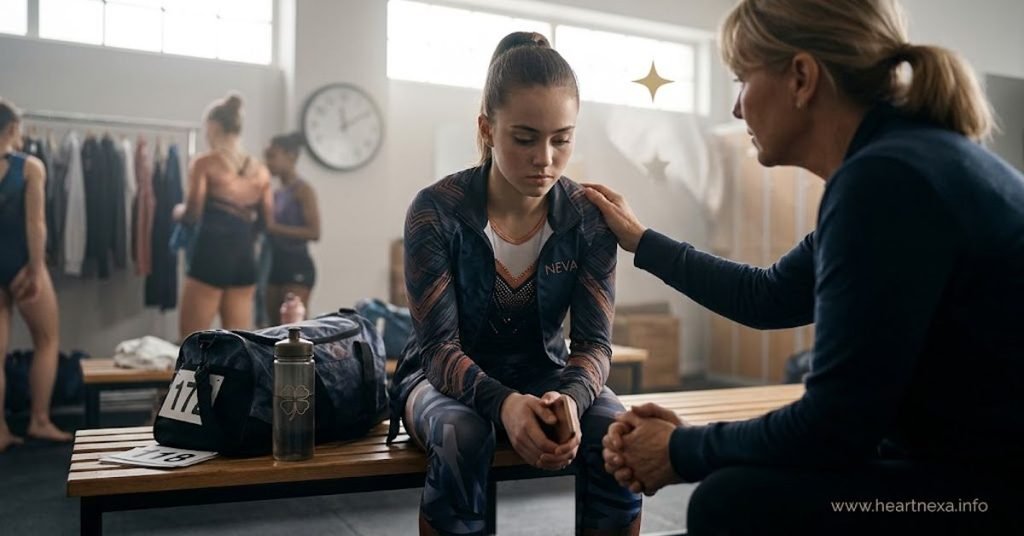
Even loving messages can backfire. Under stress, people tend to hear the worst possible meaning in whatever you say. The phrases below are common, well-meant and quietly unhelpful.
“Don’t mess up.” The brain tends to hold on to the mistake you named. Say what you want to happen instead, such as “Stay steady on the first ten seconds.”
“Everyone’s counting on you.” This turns support into a burden. Replace it with “We’re all behind you, whatever happens.”
“You have to win this.” It makes the result the only measure of the day. Try “I want you to enjoy this, and I think you’ll do well.”
“Just relax.” Nerves don’t respond to instructions. A better move is a concrete action, such as “Take one slow breath before you start.”
“You’ll definitely win.” A guaranteed win can feel like an extra loss waiting to happen. “You’re ready” is truer and lighter.
“Remember what happened last time.” Even as a joke, this drags past mistakes into the present. Save it for much later, if ever.
New advice on the morning of the event. A fresh tip right before a contest can disturb a routine they’ve built over months. If you must say something, confirm what they already know.
Comparisons with rivals or siblings. “She’s really good, but you’re better” still tells them they’re being measured against someone. Keep the focus on them.
Swap list
| Instead of | Try |
| Don’t choke. | Trust the practice you’ve done. |
| We’re relying on you. | We’re with you, win or lose. |
| Just relax! | Take one breath, then start. |
| You’ll crush them. | You’re ready. Go enjoy it. |
| Don’t let us down. | Whatever happens, we’re proud of you. |
If the person tells you they’re nervous, it’s usually better to listen than to fix. A simple “That makes sense. What would help most right now?” often does more than any pep talk.
When and How to Send Your Message (Timing and Channel Guide)
When you send a message matters almost as much as what it says. A warm note at the wrong moment, such as ten minutes before someone walks on stage, can feel like noise. This guide is based on common-sense etiquette, not research, so adjust it to the person.
The timing ladder
| When | What works | What to avoid |
| A week or more before | A longer, personal message about their preparation and progress. Good for cards and letters. | Pep talks that raise the stakes too early. |
| The night before | A short, calm message: one line of confidence and one line of support. | New advice, last-minute tips or lengthy speeches. |
| The morning of | A brief text they can read over breakfast, such as “Thinking of you today. You’re ready.” | Anything that needs a reply. |
| Right before they start | Three to ten words, or nothing. Many people have their phone away by this point. | Long messages, questions or anything emotional. |
| Straight after | A quick, kind check-in. The after-the-result messages earlier in this article fit here. | Analysis, critique or “what went wrong.” |
| The next day | A follow-up that reflects on the experience once emotions have settled. | Rushing past disappointment with silver linings. |
If you can send only one message, the morning-of text is usually the safest choice. It’s close enough to matter, but not so close that it interrupts final preparation.
Choosing the channel
Text or DM. The most common choice. It’s quick, easy to read and doesn’t demand a response. Keep it to one or two sentences.
Handwritten card or note. Best for children, milestone events and anyone who’d keep it. Slip it into a kit bag, locker, lunchbox or instrument case so it’s found at the right time.
Group chat. Works well for teams, as long as everyone gets similar attention. Avoid singling out one person in a way that adds pressure.
Voice message. A short voice note can carry warmth that text can’t, which helps when you’re far away. Keep it under thirty seconds.
Social post. Suits public events, team photos and celebrations. Ask first if the person prefers privacy, and avoid posting before they’ve seen your private message.
In person. A hug or a quick “I’m proud of you” before the event can be the most powerful. Keep it short, though, so you don’t draw out their nerves.
For quiet or introverted competitors, one private message usually beats a public cheer. For those who thrive on energy, a loud banner may be exactly right. When unsure, ask beforehand what kind of support they’d like on the day.
Good Luck Wishes for Other Big Moments
Competitions are only one of life’s high-pressure moments. If you came here looking for something slightly different, these related situations each call for a different tone, and each deserves its own focused set of messages.
Exams and tests. The pressure is quieter, with no audience and no crowd to feed off, so messages focus on calm and clarity. See the guide to good luck wishes for exams.
Job interviews. These need a mix of professionalism and warmth, with a focus on confidence and being oneself. See good luck messages for a job interview.
Auditions and performances. Many of the lines in the talent and stage section overlap, but auditions often benefit from wishes about resilience, since rejection is common.
New beginnings. Starting a new job, school or home is a different kind of challenge, and the wishes lean toward welcome and settling in, not performance.
Motivation for athletes and students. If you want longer inspirational pieces beyond a single message, look for motivational quotes aimed at athletes or students.
Encouragement after failure. When the result didn’t go as hoped, a fuller set of supportive messages can help.
FAQ’s
What can I say instead of “good luck” before a competition?
Try “You’re ready,” “I’m rooting for you,” “All the best today” or “Go get it.” These keep the encouragement without leaning on chance. For stage performers, traditional alternatives like “break a leg” or “toi toi toi” are also welcome.
Is it bad luck to say “good luck”?
Only in some circles. In dance, many people avoid “good luck” before a show, and actors say “break a leg” instead. Outside of theater and dance, most people are happy to hear it, so use the phrase that suits the person.
What should I text someone before a competition?
Keep it short, warm and specific, and don’t require a reply. A message like “Thinking of you today. All those early mornings are about to pay off” works well. Send it the morning of the event or the night before, not in the final few minutes.
What are good luck wishes for competition for kids?
Praise effort, bravery and enjoyment, not winning. Lines such as “Have fun, be brave, and I’ll be cheering the loudest” take pressure off the result. Teenagers usually prefer shorter, calmer messages, like “You’ve got this. I’m on your side.”
What do you say to someone who lost a competition?
Acknowledge the disappointment first, then the effort. Something like “I know that hurt, and I’m proud of how you competed” is better than a quick silver lining. Leave advice and analysis for later, and only if they ask.
How do you wish a rival good luck?
Keep it brief, sincere and respectful. “Good luck today. May the best performance win” says everything it needs to. Avoid sarcasm or backhanded compliments, since they usually land worse than silence.
When is the best time to send a good luck message?
The morning of the event is usually safest, since it’s close enough to matter without interrupting final preparation. A longer, more personal note can go out a week ahead, and a very short one the night before. Straight before the start, silence or a few words is best.
Is “best of luck” different from “good luck”?
The meaning is the same, and people use them interchangeably. “Best of luck” often sounds a little more formal, which suits cards, workplace messages and professional settings. “Good luck” fits texts, friends and everyday use.
Conclusion
The best good luck wishes for competition are rarely the longest or the most poetic. They’re the ones that sound like the person sending them: specific about the effort, calm about the result and sent at a moment when the reader can take them in.
Whether you’re texting a teammate, writing a card for a child or wishing a rival well, the same idea applies. Name something real, take the pressure off and keep it short. And if the day doesn’t go to plan, a kind message afterward may matter more than the one you sent before.

Creating heartfelt wishes, greetings, and inspiring messages to help you celebrate special moments, spread positivity, and express your feelings beautifully.